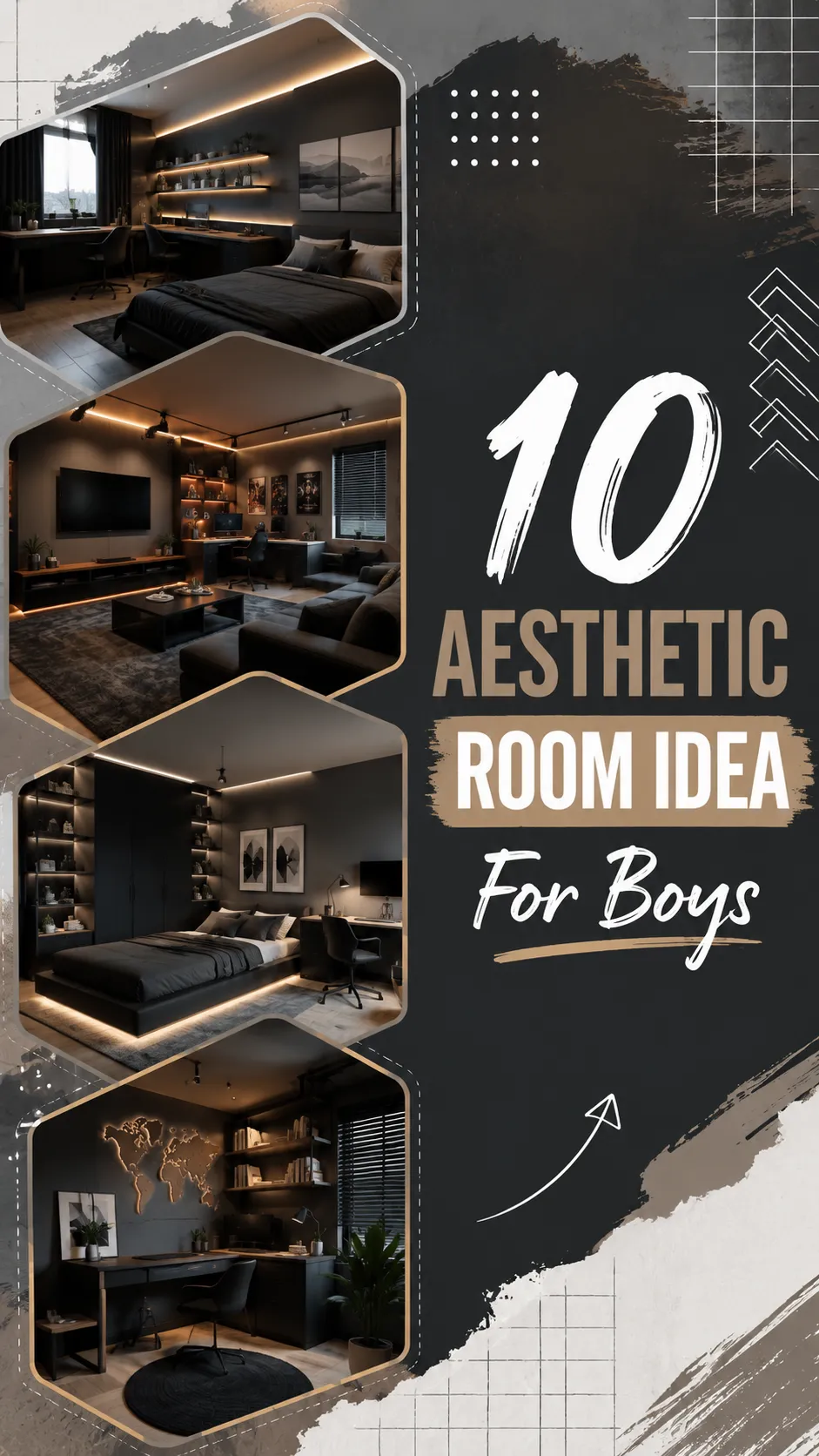
Designing a room for boys—whether for a teenager, a student, or a young adult—requires a delicate balance between personal expression and organizational discipline. The best aesthetic room ideas aren’t just about “cool” colors; they are about creating a versatile environment that can serve as a bedroom, a workspace, and a creative retreat simultaneously. In 2026, the trend has shifted toward “functional aesthetics”—spaces that look like high-end architectural studios rather than just sleep areas.
Here are 10 aesthetic room ideas designed to be adaptable, stylish, and highly professional.
1. The “Tech-Hub” Industrial Loft
This design leans into the raw, structural elements of urban living. Think “minimalist tech-hub” rather than just “bedroom.”
- The Design: Use exposed brick walls, matte-black metal shelving, and a desk setup with built-in cable management. Incorporate desk-height LED strip lighting in cool blue or deep purple to give it a professional “streamer” aesthetic.
- Why it works: It feels incredibly mature and focused. By organizing all tech gear (cables, monitors, controllers) into dedicated zones, you turn “clutter” into part of the aesthetic.
2. The “Modern Explorer” Earth Tones
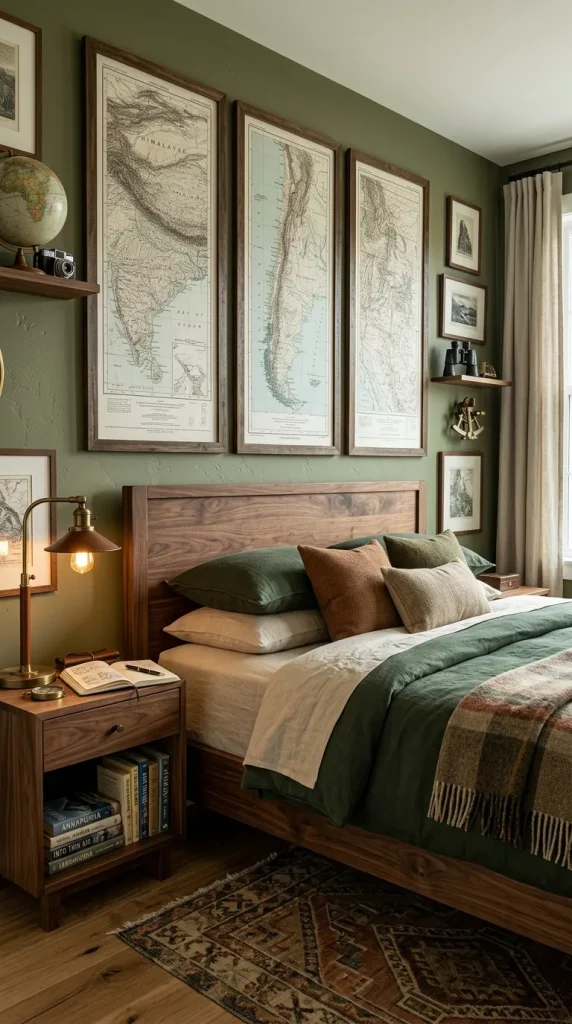
Move away from bright primary colors. Instead, focus on a grounded, earthy palette of olive green, terra cotta, and charcoal.
- The Design: Use high-quality wooden furniture (walnut or dark oak), a leather armchair, and large-scale topographic maps or vintage travel prints as wall art.
- Why it works: It’s a timeless, scholarly look that evolves as they grow. It feels sophisticated and relaxed, making it a perfect space for reading or studying.

3. The Monochrome Minimalist
A monochrome room—using variations of the same color, such as charcoal, slate, and ash grey—is the ultimate “low-maintenance” aesthetic.
- The Design: Use different textures to prevent the room from feeling flat: a grey wool rug, a velvet charcoal headboard, and metallic grey window frames.
- Why it works: It is visually quiet. A monochromatic room is inherently organized because the colors don’t compete, allowing the room to feel larger and more intentional.
4. The “Streetwear” Gallery Aesthetic
If your style is influenced by sneaker culture or street art, treat your room like a boutique gallery.
- The Design: Use clean white walls and install “floating” shelves to display sneakers or collector items like trophies. Use recessed spotlighting or professional-grade track lighting rather than a standard overhead lamp.
- Why it works: It turns personal interests into intentional decor. It’s highly curated, personal, and avoids the “messy teenager” look by assigning a specific space to every object.
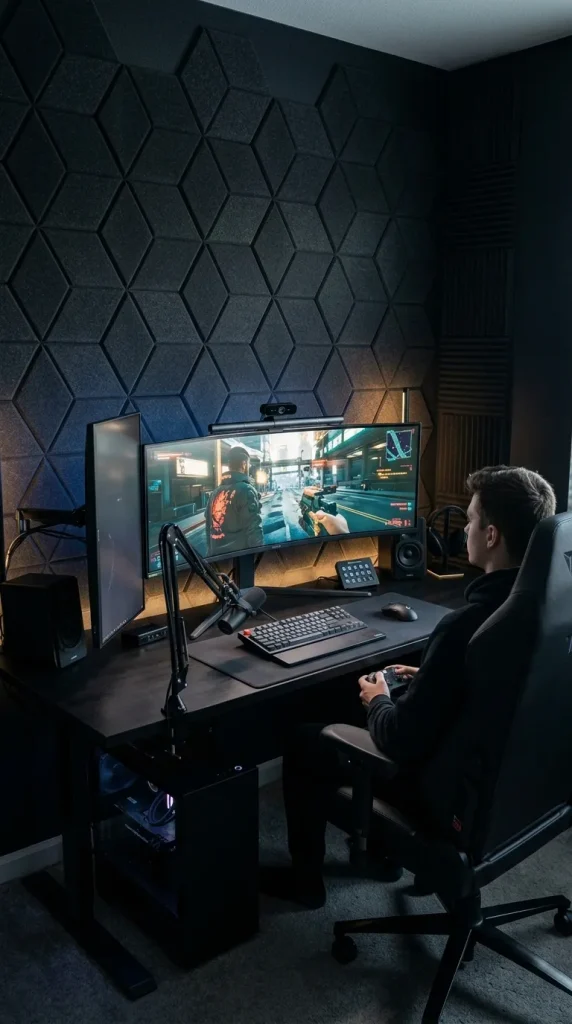
5. The “Zenith” Gamer Studio
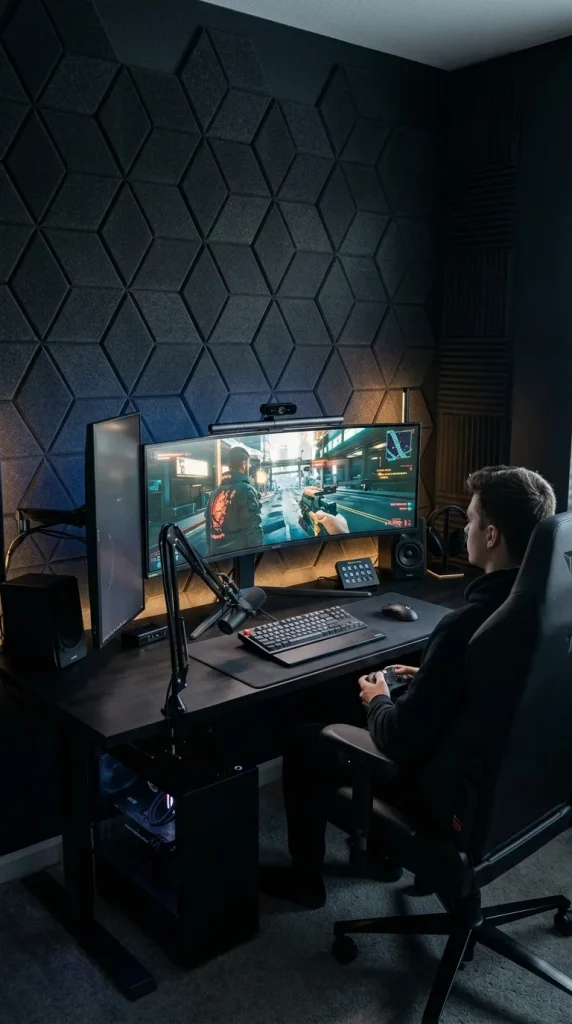
This isn’t about neon lights everywhere; it’s about “stealth gaming” design.
- The Design: Use a large, ergonomic desk with a built-in monitor arm, a high-end gaming chair, and sound-absorbing acoustic wall panels in a geometric pattern. Stick to a dual-tone palette, like white and black or black and neon-green.
- Why it works: It creates a dedicated “zone” for focus and entertainment. Acoustic panels act as both functional tools to improve audio quality and high-end wall art.
6. The “Modular” University Suite
This aesthetic is perfect for a student. It treats the room like a modular suite where every piece of furniture has a hidden function.
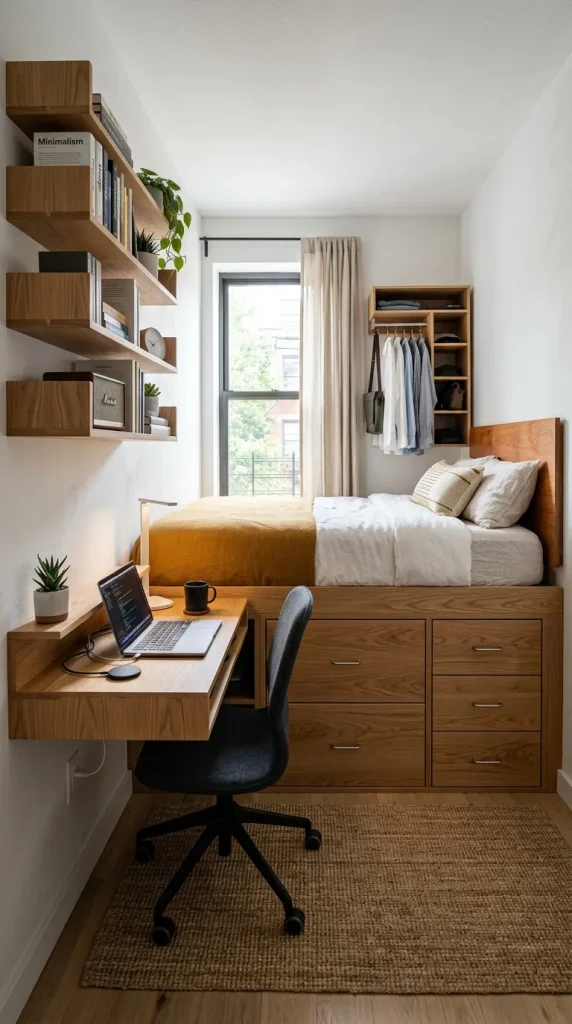
- The Design: Use a bed with built-in storage drawers beneath, a wall-mounted fold-down desk, and modular shelving that can be rearranged.
- Why it works: It’s highly efficient. It maximizes square footage, ensuring that the room remains clean even when the workload is high.

7. The “Studio-Art” Creative Nook
If the focus is on sketching, music, or DIY projects, design the room like an artist’s studio.
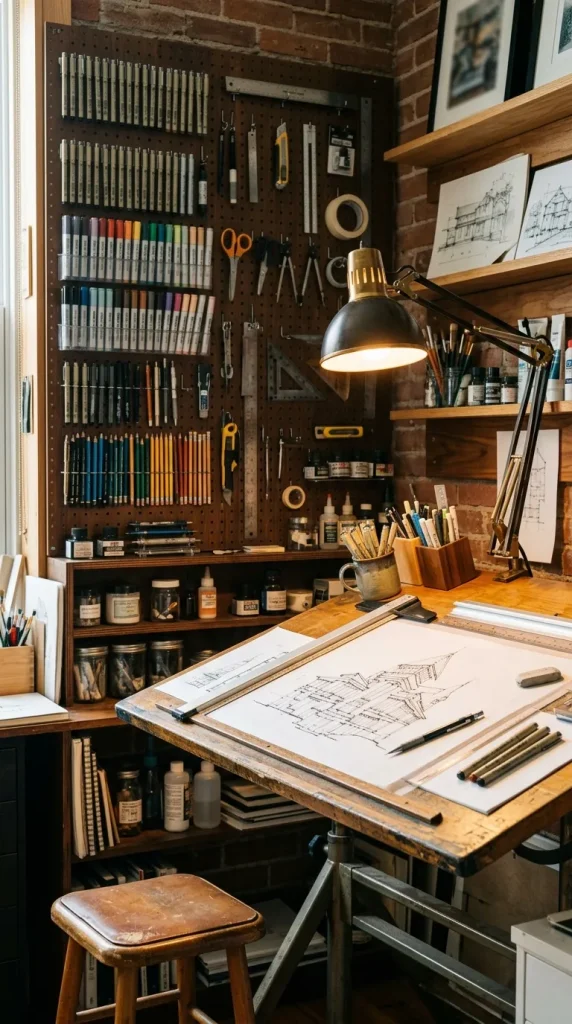
- The Design: Use a large, clear drafting table, wall-mounted pegboards for tools, and dedicated storage for supplies. Use warm, natural lighting (like a professional architect’s lamp) rather than harsh overhead lights.
- Why it works: It honors the creative process. By providing a “professional” place for hobbies, you validate them and encourage consistent practice.
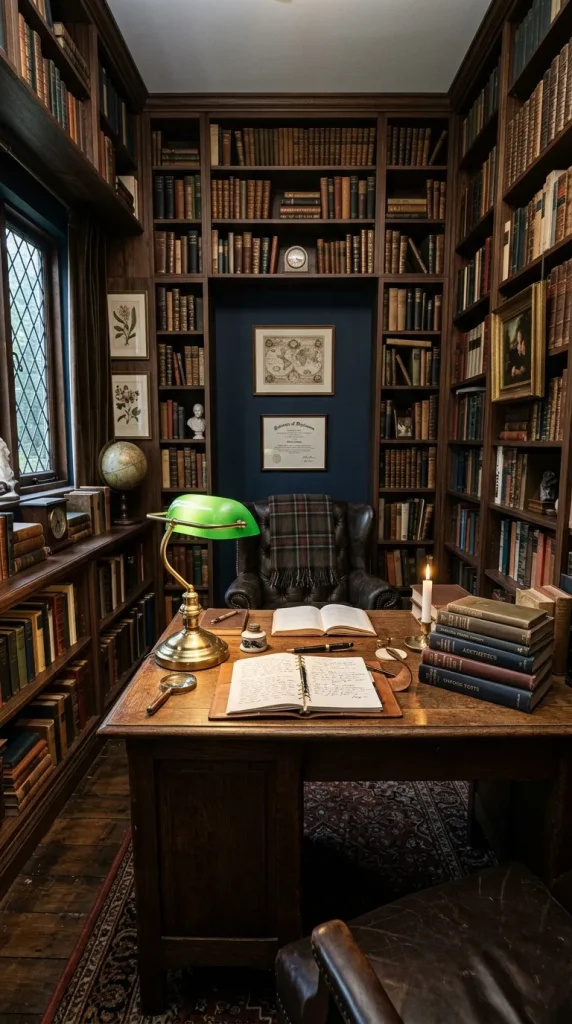
8. The “Dark Academia” Study
For the student who thrives in a quiet, book-filled environment, the Dark Academia aesthetic is peerless.
- The Design: Deep brown or navy walls, floor-to-ceiling built-in bookshelves, and a classic desk lamp with a green glass shade.
- Why it works: It is intellectually grounded. It creates a space that feels quiet, studious, and removed from the distractions of the rest of the house.
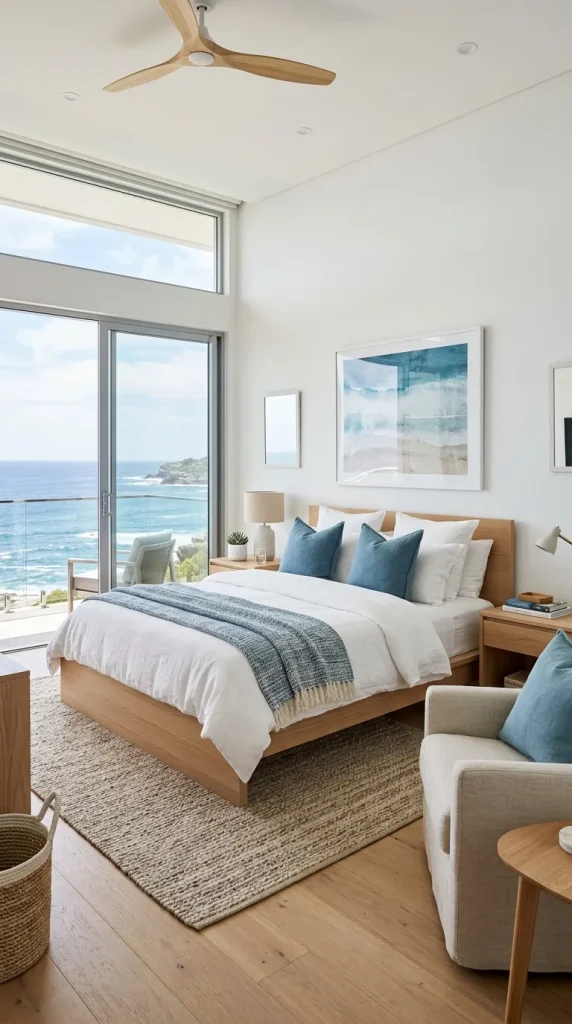
9. The “Coastal Modern” Retreat
If the goal is relaxation, use a fresh, modern coastal palette—whites, light woods, and deep oceanic blues.
- The Design: Use a low platform bed, white linen bedding, and rattan or light-wash wooden accents. Keep the walls clear of clutter, using only one or two large, simple landscape photos.
- Why it works: It feels like a permanent vacation. It’s airy, bright, and very clean, making it a perfect escape from a busy school schedule.
10. The “Sports-Minimalist” Zone
Forget standard “sports” decor—this is about honoring the structure of sport.
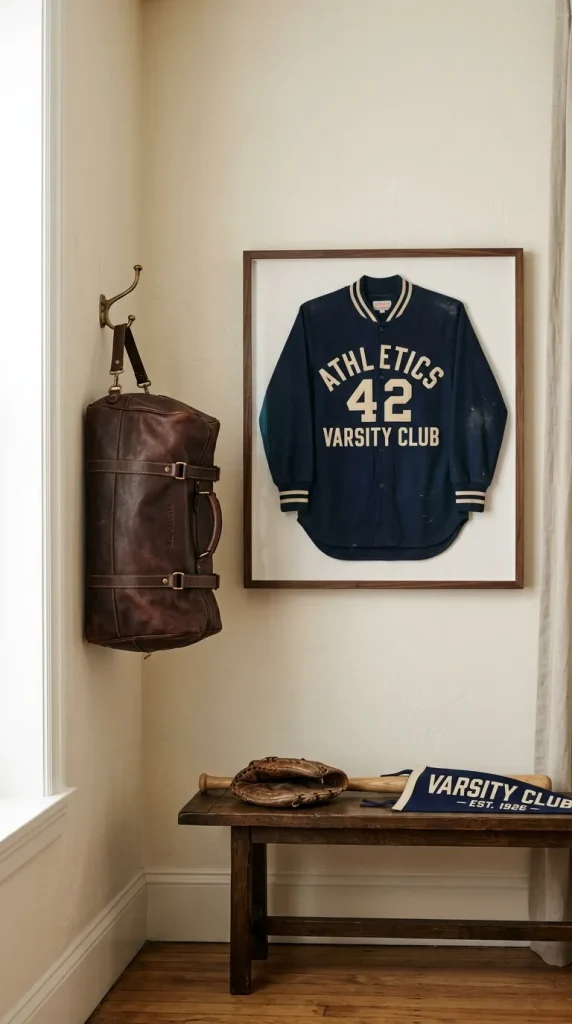
- The Design: Use a palette of varsity colors (navy, cream, and red) but apply them through high-quality materials, such as a leather equipment bag display, a professional-style gym locker for storage, and a single, well-framed vintage jersey or classic stadium print.
- Why it works: It’s elegant rather than kitschy. It uses the themes of sport in a design-forward way that feels sophisticated and structured.
Tips for Maintaining the Aesthetic
- Hidden Storage is King: Use under-bed boxes, wall-mounted hooks, and drawer organizers to keep surfaces clear. A messy surface kills any aesthetic.
- Lighting Layers: Always provide at least three light sources: an overhead for general tasks, a bright desk lamp for study, and a dim, warm bedside lamp for winding down.
- The “Display vs. Storage” Rule: Only display what you love (like trophies or sneakers). Everything else—the homework pile, the sports gear—should have a designated, closed-door storage spot.



Leave a Reply